
Market Update
Our 2026 Outlook for Northeast Ohio Housing
By Derek Anders • January 1, 2026 • 7 min read
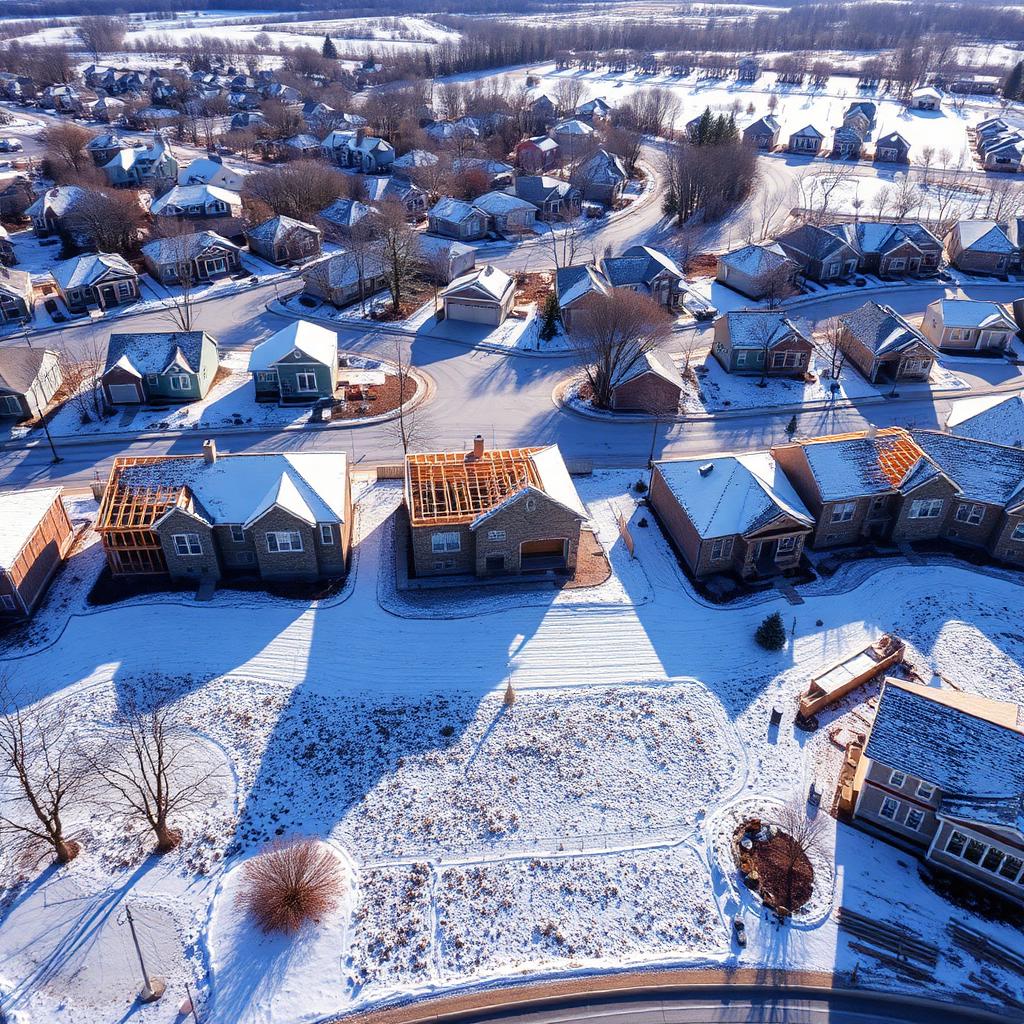
Where we expect prices, rents, and construction starts to land this year.
Looking toward 2026 across the Northeast Ohio corridor, we are finally seeing the long-tail effects of the capital migration that began during the early part of this decade. For years, markets like Akron, Canton, and Cleveland were viewed as value plays or secondary yield targets for out-of-state investors who found themselves priced out of the Sun Belt. That dynamic has shifted from a speculative trend into a structural baseline for our regional economy. We are seeing a stabilization of asset values in Summit and Stark Counties that feels less like a bubble and more like a long-overdue market correction. The days of picking up habitable single-family homes in North Hill or Massillon for sixty thousand dollars are gone, replaced by a competitive environment where institutional quality assets are being valued based on replacement costs rather than historical comparable sales.
The inventory shortage that has defined the last few years will remain the primary driver of price action as we enter 2026. While national headlines often focus on the impact of interest rates on buyer demand, the reality on the ground in Cuyahoga County is much more nuanced. We have a massive cohort of homeowners locked into three percent mortgages who simply cannot afford to move, regardless of their desire for more space or a better school district in places like Hudson or Solon. This lock-in effect has created a floor for pricing because the supply of existing homes remains historically low. At Lime Companies, we track these micro-trends closely because they dictate where we break ground. If the supply of existing homes remains constrained, the demand for high-quality build-to-rent products and modernized multifamily units will continue to climb.
Construction costs are finally beginning to find a predictable rhythm, though they remain significantly higher than pre-2020 levels. We spent much of 2024 and 2025 dealing with extreme volatility in materials like switchgear and HVAC components, which sidelined projects across the Rust Belt. As we look at the 2026 pipeline, the bottleneck has shifted from material availability to skilled trade capacity. The labor pool in Stark County remains tight, and we are finding that the premium for reliable, high-quality framing and masonry crews is staying elevated. This reality forces a more disciplined approach to site selection and project density. You cannot simply build a standard suburban subdivision in Stow or Green and expect the margins to work without a very specific eye toward efficiency and modularity in the building process.
Affordable housing remains the most significant challenge and opportunity in our regional market. In areas like Slavic Village or the west side of Akron, the gap between what it costs to build a new unit and what a median household can afford to pay in rent is widening. We believe the 2026 market will reward developers who understand how to leverage local incentives and tax abatements without relying on them as a crutch. The push for more density in transit-adjacent corridors is gaining traction with local zoning boards who are starting to realize that the old models of single-family zoning are no longer sustainable. We are seeing a shift in the political climate in cities like Cleveland and Canton toward a more pro-growth stance on infill development, which is necessary if we want to address the housing deficit.
Sober living and specialized residential care remain a core focus for us because the need in Northeast Ohio is not diminishing. The regulatory environment for these facilities is becoming more transparent, which is a net positive for reputable operators. We expect 2026 to bring a higher standard of physical asset requirements for sober living environments. The days of cramming beds into dilapidated Victorians are coming to an end as municipalities demand better safety protocols and more professional management. We see this as an opportunity to raise the bar for what recovery housing looks like in Summit County. By integrating these facilities into the broader residential fabric with high-quality finishes and professional landscaping, we reduce the stigma and provide a much better environment for the residents.
Build-to-rent continues to be the most resilient segment of the market for institutional and private equity. We are seeing a specific appetite for horizontal multifamily products in the suburbs surrounding Akron and Canton. Many young families and aging downsizers want the privacy of a detached home without the maintenance obligations or the financial burden of a twenty percent down payment in a high-interest-rate environment. By 2026, we expect to see several large-scale BTR communities coming online in places like Jackson Township and North Canton. These projects are successful because they solve the lifestyle needs of a demographic that is currently underserved by traditional apartment complexes and aging suburban housing stock. The professional management of these clusters provides a level of consistency that the fragmented rental market lacks.
The regional economic outlook provides a solid backdrop for these real estate trends. The diversification of the Northeast Ohio economy away from raw manufacturing toward healthcare, logistics, and technology has created a more stable employment base. When a major employer in the Heights or the med-tech corridor expands, the ripple effect on housing demand is immediate. We are no longer a region that lives and dies by a single industry. This economic resilience is why we are comfortable with our long-term capital commitments in Cuyahoga and Summit Counties. Even if the national economy faces headwinds, the relatively low cost of living in our region acts as a buffer. People are moving here from more expensive coastal markets because they can actually achieve a high quality of life on a reasonable salary.
Rent growth is likely to moderate in 2026 compared to the double-digit spikes we saw in previous years. We are projecting a more sustainable three to five percent annual increase across our portfolio. This moderation is healthy for the market as it allows wage growth to catch up and reduces the risk of widespread tenant displacement. Our strategy remains focused on the middle of the market. While luxury developments in Downtown Cleveland catch the headlines, the real strength of the Northeast Ohio market lies in the workforce housing sector. If you can provide a clean, safe, and modern home for a nurse, a teacher, or a skilled laborer, your occupancy rates will remain high regardless of broader economic fluctuations. We prioritize durability and low-maintenance materials in our renovations to ensure we can keep our operating costs in check as rents stabilize.
The lending environment in 2026 will likely favor experienced operators with strong local bank relationships. We have seen national lenders pull back from the Midwest when things get choppy, but our local community banks in Stark and Summit Counties have stayed the course. These institutions understand the local street corners and the specific dynamics of neighborhoods like Highland Square or the Belden Village area. Developing a project today requires a much more sophisticated capital stack than it did five years ago. We are spending more time on the front end of our deals ensuring that our debt structures can withstand potential shifts in the terminal cap rate. Being boots-on-the-ground developers gives us an edge because we see the shifts in tenant behavior before they show up in the quarterly data reports.
As we move toward the middle of the decade, the focus on sustainable and resilient building practices will transition from a luxury feature to a standard expectation. Rising utility costs and insurance premiums are forcing a rethink of how we insulate and mechanicalize our buildings. In Northeast Ohio, where winters can be harsh and older housing stock is notoriously inefficient, the value of a high-performance building envelope is becoming clear to tenants. We are investing more in the building science of our projects today because it pays dividends in the form of lower turnover and reduced long-term maintenance. Whether it is a new build in Hudson or a heavy value-add in Akron, the goal is the same: create an asset that is relevant to the 2026 tenant and capable of performing for the next thirty years.
Finally, the success of real estate in our region will depend on our ability to create community rather than just square footage. The most successful developments we see are those that integrate into the existing neighborhood and provide something that was previously missing, whether that is a new pocket park or a better mix of housing types. We are proud to be part of the revitalization of Northeast Ohio and we remain bullish on the long-term prospects of the Stark, Summit, and Cuyahoga markets. There is a grit and a practical intelligence to this region that makes it a rewarding place to build. Our 2026 outlook is one of cautious optimism, grounded in the reality of the numbers and a deep respect for the communities where we operate. We will continue to build, renovate, and manage with the same straightforward approach that has defined Lime Companies from the beginning.
Next up
Why We Try to Hand Over Homes Before the Holidays
Developing the future of Northeast Ohio — one neighborhood at a time.
© 2026 Lime Companies LLC. All rights reserved.
Built in Northeast Ohio.