
Building Science
Insurance, Storms, and Why We Overbuild Roofs
By Derek Anders • December 4, 2025 • 6 min read
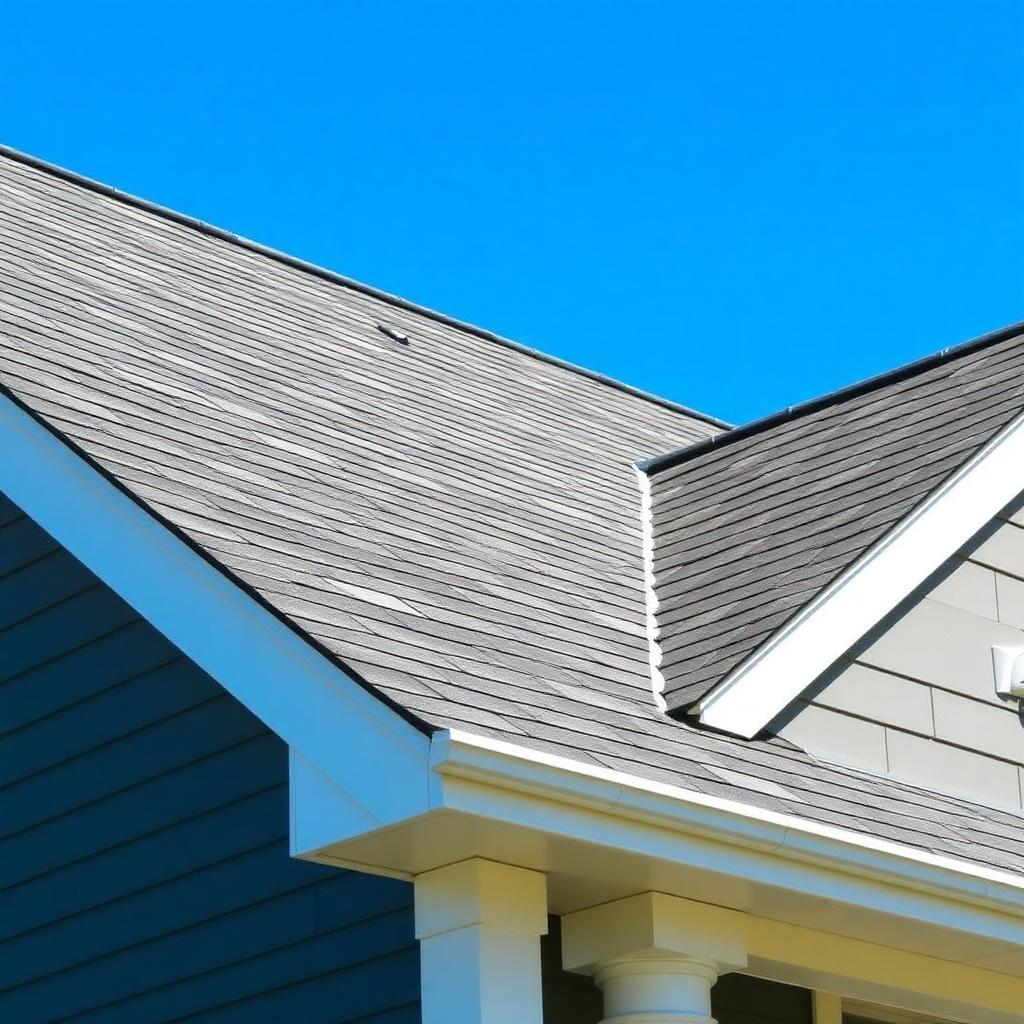
The insurance market is changing fast. Here is what we build to keep premiums sane.
The insurance industry used to look at Northeast Ohio as a safe harbor compared to the coastal regions dealing with hurricanes or the plains where tornados flatten entire zip codes. That grace period has ended because the frequency of high-wind events and localized hail in Stark and Summit Counties has forced a complete repricing of risk across our entire portfolio. When I look at a pro forma for a new build in Akron or Canton now, the insurance line item is the most volatile variable we face. Carriers aren't just raising rates because they feel like it; they are losing money on basic roof claims that used to be once-in-a-generation events. We are seeing storms that move through the Cuyahoga Valley with enough velocity to peel standard shingles like orange skin, and if you are building to the bare minimum of the residential code, you are essentially gambling that your carrier won't drop you after the first big blow.
At Lime Companies, we have moved toward a philosophy of overbuilding the building envelope specifically to stay insurable over a thirty-year horizon. We don't use standard architectural shingles that you might find in a big-box clearance aisle because the cost of labor to replace a roof is now so high that the material delta is negligible. Instead, we specify Class 4 impact-rated shingles for every project from Massillon up to Cleveland. These are engineered with a rubberized SBS polymer that allows the shingle to deform and bounce back when hit by hail rather than shattering the granules and exposing the fiberglass mat. It might cost us six or seven thousand dollars more on a multi-family project upfront, but when a storm hits Merriman Hills and every neighbor is filing a claim, our roofs usually stay intact. This keeps our claims history clean, which is the only real leverage we have when negotiating premiums in a hardening market.
Nail patterns are another area where we refuse to follow the standard four-per-shingle minimum that passes inspection in most Ohio townships. We mandate a six-nail pattern with high-wind staggering because wind uplift is the silent killer of Northeast Ohio roofs. When wind hits a gable end on a property near the lake or on a ridge in Bath, it creates a pressure vacuum that wants to suck the shingles right off the deck. By increasing the fastening density and ensuring every nail hits the common bond area, we create a mechanical bond that can withstand gusts that would otherwise trigger a total loss. I would rather spend the extra money on a pallet of stainless steel fasteners and a few extra days of labor than deal with the administrative nightmare of an adjustor walking our property after a summer derecho.
The transition from OSB to CDX plywood for our roof decks is a choice based on moisture resilience more than pure structural load. In Cuyahoga County, we deal with intense humidity fluctuations and the inevitable ice damming that comes with our freeze-thaw cycles. If a standard OSB deck gets wet through a minor leak or condensation, it swells and loses its structural integrity almost immediately. CDX might be more expensive, but it has the ability to dry out and maintain its shape without the edges mushrooming. This matters because once a roof deck loses its flatness, the shingles can't seal properly. A flat, rigid deck is the foundation of a wind-resistant roof, and we find that the added stiffness helps the entire structure feel more substantial during those November gales that rattle the windows.
We have also fundamentally changed how we handle the eaves and rakes of our buildings to prevent the type of water ingress that creates five-figure interior damage claims. The standard code requires ice and water shield to extend two feet past the interior wall line, but we usually run it six feet up or even cover the entire deck on lower-pitch sections. In places like Hudson or North Canton where the snow can sit for weeks and then melt and refreeze into a massive ice block, a standard drip edge isn't enough. We use a heavy-gauge metal flashing and premium underlayments that create a literal rubber tank under the shingles. If a guest at one of our properties looks up during a blizzard, I want them to have zero anxiety about a drip hitting their floor, and I want my insurance agent to know that we have engineered out the most common cause of mold claims.
Ventilation is the most misunderstood part of the building envelope in this region and getting it wrong is the fastest way to cook a roof from the inside out. Many builders in Cleveland Heights or Shaker Heights try to solve heat gain with more fans, but we prefer passive ridge vents and oversized soffit intakes to ensure constant airflow. An overheated attic in an Ohio summer will bake the oils out of a shingle, making it brittle and prone to cracking long before its rated lifespan. By maintaining a cold roof system, we prevent the temperature differentials that lead to ice dams in the winter and premature shingle failure in the summer. It is a simple matter of physics that most developers ignore because they are focused on the aesthetic of the siding rather than the longevity of the attic assembly.
The reality of modern development in Northeast Ohio is that we are no longer just building shelters; we are building assets that must survive an increasingly litigious and expensive financial environment. When I talk to other developers in Stark County, they often complain about the rising cost of construction, but they rarely look at the total cost of ownership over a decade. A cheap roof is a liability that will eventually require a massive capital infusion or a massive insurance premium hike. By overspecifying our roofing systems, we are essentially pre-paying for our future stability. We are telling the market that a Lime Companies building is a lower risk because we haven't cut corners on the one thing that keeps the rain out and the value in.
Gutter systems and downspouts are often treated as an afterthought, but we see them as the primary defense for our foundations and crawlspaces. In Summit County, where we have a lot of clay soil that swells and shrinks, keeping water twenty feet away from the perimeter is non-negotiable. We install six-inch commercial-grade seamless gutters with oversized downspouts because the standard five-inch residential versions simply cannot handle the volume of water we get during a July thunderstorm. When a gutter overflows, it saturates the soil at the footer, which leads to hydrostatic pressure and basement seepage. If we can control where the water goes, we can prevent foundation movements that would otherwise lead to structural insurance claims that are nearly impossible to resolve cheaply.
I have zero interest in being the cheapest builder in the Greater Cleveland area because the cheapest builder is usually the one who gets sued five years later when the roof fails. We take a lot of pride in the fact that our properties look as good ten years in as they did on day one. That durability comes from a stubborn adherence to building science and a refusal to use materials that are just barely good enough. We have seen what happens when developers prioritize short-term margins over long-term resilience, and it usually ends with a "for sale" sign on a building that has thousands of dollars in deferred maintenance. Our approach is to overbuild the essentials so we can focus on growth rather than constant repairs and insurance negotiations.
Ultimately, the goal is to create a predictable environment for our investors and our tenants. If a tenant in Canton knows they won't have to deal with a leaking ceiling every time the wind picks up, they stay longer and take better care of the space. If an investor knows their insurance costs are stabilized because the building is hardened against the elements, they are more likely to fund the next project. It all comes back to the roof. It is the most exposed and vulnerable part of any building in Northeast Ohio, and treating it with anything less than extreme diligence is a recipe for financial failure. We build them heavy, we build them tight, and we build them to outlast the current volatility of the insurance market.
Next up
How to Budget for a Semi-Custom Home Without Surprises
Developing the future of Northeast Ohio — one neighborhood at a time.
© 2026 Lime Companies LLC. All rights reserved.
Built in Northeast Ohio.