
Continuation of Care
Confronting the Stigma Around Recovery Housing
By Derek Anders • February 5, 2026 • 7 min read
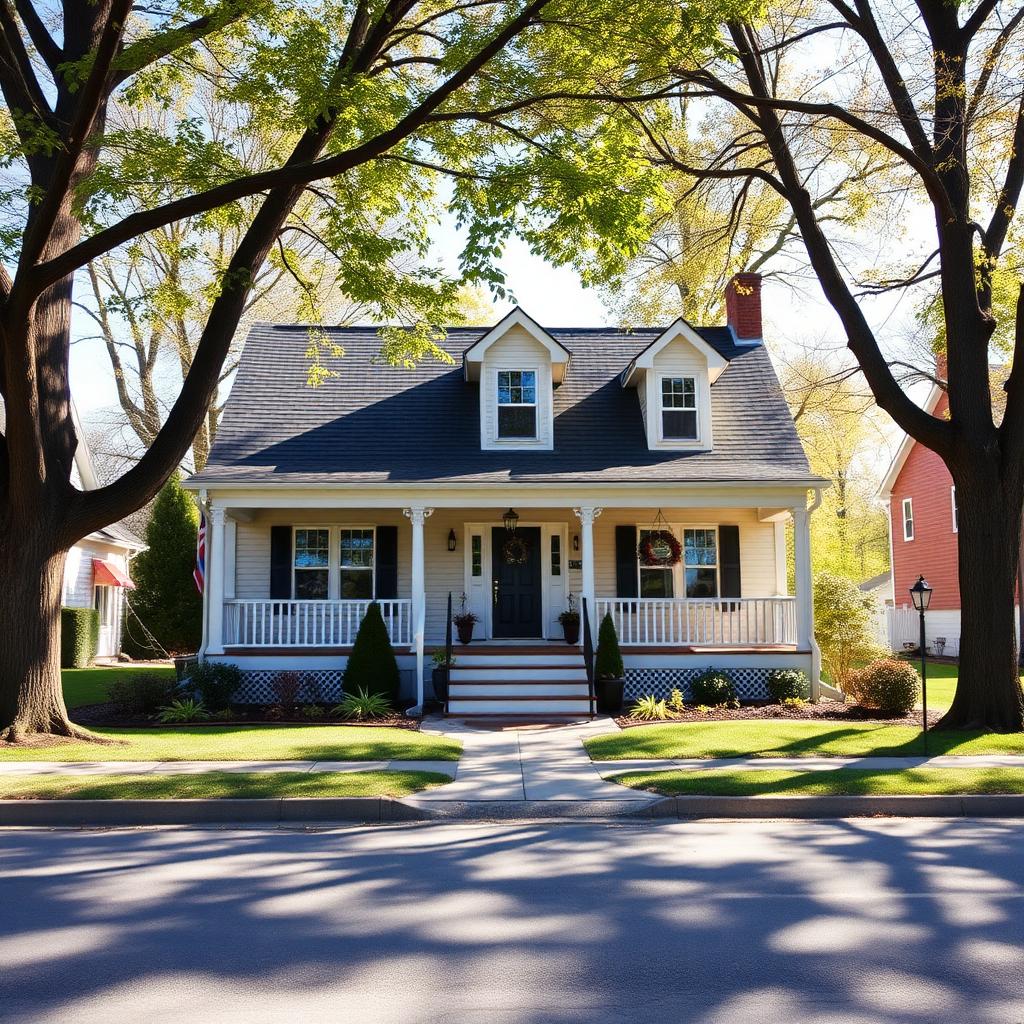
What the data actually says about sober living houses and neighborhood impact.
The conversation around recovery housing in Northeast Ohio usually starts with a specific type of tension at a zoning board meeting in a place like North Canton or Cuyahoga Falls. People show up with concerns that are rarely based on actual police reports or property tax assessments but are instead rooted in a visceral fear of the unknown. They see a large Victorian home on a quiet street and worry that its conversion into a sober living facility will fundamentally break the character of the neighborhood. At Lime Companies, we look at the data because the data is the only thing that doesn't blink when faced with neighborhood pushback. The reality in Stark and Summit Counties is that a well-managed Level II or Level III recovery residence is often the best-maintained property on the block. These houses are subject to rigorous inspections and carry a level of accountability that your average rental property or even a neighboring homeowner simply doesn't have to meet.
We have seen this play out in the Highland Square area of Akron and across various pockets of Cleveland where the density of housing creates a natural laboratory for social impact. When a property is designated for recovery, it becomes a professional operation. There are standards for lawn maintenance, noise levels, and exterior upkeep that are written into the very fabric of the program’s certification. Unlike a standard multi-family rental where a landlord might only show up when a pipe bursts, recovery housing requires a constant presence and a vested interest in the property’s standing within the community. If a house in Canton or Lakewood becomes a nuisance, it loses its certification and its ability to bill or receive referrals. That financial and operational pressure ensures that these properties act as stabilizers rather than detractors.
The stigma suggests that these facilities bring crime into neighborhoods, but the crime statistics in Cuyahoga County tell a much different story. Most calls to service at these addresses are for medical reasons or minor administrative checks, not for the types of disturbances people fear. In many cases, the presence of eight to ten individuals who are strictly committed to sobriety and subject to regular drug testing actually discourages the casual criminal activity that might plague a neglected block. You have a group of people whose entire life's progress depends on following a set of strict rules. They aren't the ones causing trouble at two in the morning because their curfew and their commitment to the program won't allow it. We find that the most vocal critics often end up being the ones who realize six months later that the house next door is the quietest one in the vicinity.
Property values are another area where the rhetoric falls apart under the weight of local market evidence. We have tracked sales data in neighborhoods across Northeast Ohio where recovery housing has been established for years. There is no measurable dip in home prices specifically linked to the proximity of a sober living home. In fact, because developers often take the most distressed property on the street and inject capital into it to meet Ohio Recovery Housing standards, the surrounding properties often benefit from the lift in curb appeal. A renovated colonial in West Park that was previously a tax-forfeited eyesore is a win for every neighbor, regardless of who is living inside the walls. The investment required to make these buildings compliant is significant, and that capital stays in the neighborhood.
We also have to look at the geographical necessity of placing these homes in residential areas instead of isolating them in industrial zones or distant rural corners of Stark County. Recovery is about reintegration, not exile. If a person in recovery is going to succeed, they need access to the RTA in Cleveland or the METRO in Akron to get to work. They need to be near grocery stores, libraries, and support meetings. Shoving these facilities to the fringes of the county creates a barrier to success that almost guarantees recidivism. By putting these homes in middle-class neighborhoods, we are providing the environmental stability that is required for someone to rebuild a life. It is much easier to stay sober when you are surrounded by the rhythm of a functioning neighborhood rather than the chaos of a high-crime area.
The fear of the "transient population" is another common objection we hear from Lakewood to Massillon. The irony is that the average stay in a high-quality recovery residence is often longer than the duration of a standard one-year apartment lease. These are not revolving doors where people stay for forty-eight hours and disappear. Most programs encourage or require stays of six months to a year, meaning these residents are consistent neighbors who shop at the local Acme and use the local parks. They are stakeholders in the community because the community represents their fresh start. When you treat people like guests who are unwelcome, you miss the opportunity to see them as the contributing workers and taxpayers they are becoming.
The legal landscape in Ohio also provides a layer of protection that many residents don't realize exists. Between the Fair Housing Act and the Americans with Disabilities Act, individuals in recovery are a protected class. This isn't just a moral argument; it is a legal framework that prevents municipalities from using discriminatory zoning to push people out. We have seen cities try to fight this and lose, costing their taxpayers significant legal fees in the process. It is more productive for a community to work with developers and operators to ensure the house is a good fit than to waste resources on a lost legal battle. Collaboration leads to better outcomes for the residents and the neighbors alike, ensuring that the property is managed with transparency and professional oversight.
We need to address the idea that recovery housing is somehow a secretive or "shadow" industry. The best operators in Northeast Ohio are incredibly transparent about their house rules and their mission. If you walk into a Lime-supported project or a certified house in Summit County, you will see a list of expectations that would make most college dorms or apartment complexes look like the Wild West. There are mandatory chores, mandated meeting attendance, and zero-tolerance policies for substance use. This level of structure is exactly what makes these houses great neighbors. You are essentially living next to a group of people who are being coached daily on how to be responsible, respectful, and productive members of society.
There is also a profound economic benefit to the local workforce that often goes unmentioned. Many of the residents in these homes are filling essential roles in the Northeast Ohio economy, from hospitality in downtown Cleveland to manufacturing in Canton. By providing stable housing, we are supporting the labor pool that our local businesses depend on. When a person has a safe place to sleep that is free from the triggers of their past, they are much more likely to show up for their shift and perform well. We are not just housing people; we are maintaining the human infrastructure of our region. Every successful graduate of a recovery house is a person who is no longer a drain on emergency services but is instead a participant in the local economy.
The transition from a state of emergency to a state of stability is what recovery housing facilitates. In our work across Cuyahoga and Stark, we see the ripple effect of this stability every day. It reduces the burden on our jails and our hospitals, which are already stretched thin. When a resident in a sober living house handles a conflict through their program's grievance process instead of calling 911, the whole city wins. When they pick up trash on their walk to the bus stop because they were taught to take pride in their surroundings, the neighborhood wins. These are the small, quiet victories that never make it into the headlines of the local paper but are the true measure of a program’s impact.
Ultimately, the stigma is an emotional response to a lack of proximity. Most people who oppose these homes have never stepped foot inside one and couldn't tell you the difference between a halfway house and a Level II recovery residence. Once they see the reality—that these are just homes filled with people trying to get their lives back on track—the fear usually dissipates. At Lime Companies, we don't buy into the "not in my backyard" mentality because we know that these houses are an essential part of a healthy, functioning backyard. We will continue to build and support these projects because they work, they are safe, and they are a vital piece of the Northeast Ohio housing puzzle that we cannot afford to ignore.
Moving forward, the goal should be to bridge the gap between the operators and the residents of these Buckeye State communities. We advocate for an open-door policy where neighbors can actually meet the house managers and understand the protocols in place. Sunlight is the best disinfectant for the anxiety that surrounds these properties. When you realize that the person living next door is just another Ohioan working hard to overcome a challenge, the stigma loses its power. We are proud to play a role in this transformation because a neighborhood that can't make room for recovery is a neighborhood that has forgotten how to grow. By leading with data and concrete examples, we can move past the vitriol and focus on keeping our communities strong and inclusive.
Next up
Inside Our Rent-to-Own Pathway for Build-to-Rent Tenants
Developing the future of Northeast Ohio — one neighborhood at a time.
© 2026 Lime Companies LLC. All rights reserved.
Built in Northeast Ohio.