
Continuation of Care
What Makes a Great Sober Living House Manager
By Derek Anders • March 19, 2026 • 7 min read
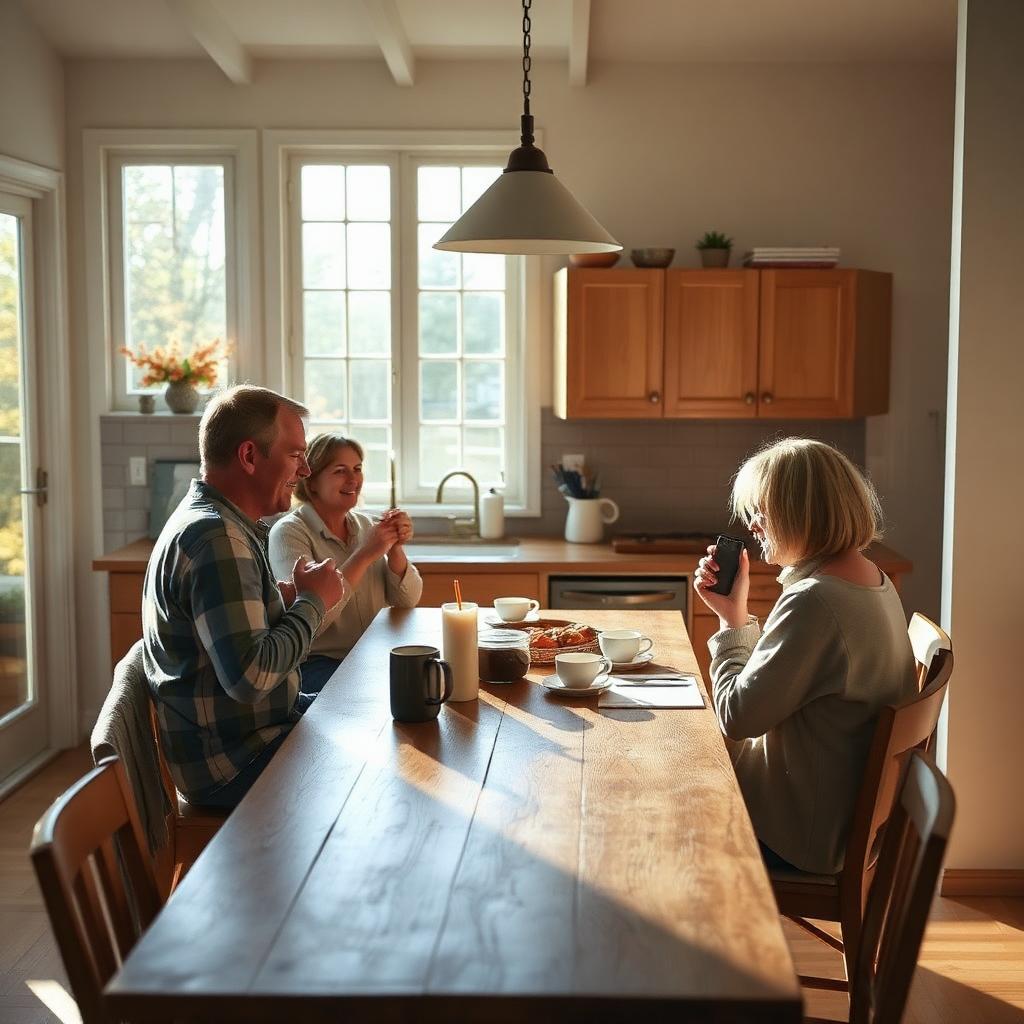
The role that quietly determines whether a recovery home thrives or fails.
The stability of a sober living environment in Northeast Ohio usually has less to do with the architecture of the house and more to do with the person carrying the master key. I have spent years walking through properties in North Hill, Massillon, and the near West Side of Cleveland, and I can tell you that a beautiful renovation is worthless if the management is hollow. A great house manager acts as the primary governor of the home's atmospheric pressure. They are not quite a warden and not quite a counselor, but rather a functional bridge between clinical treatment and the chaotic reality of everyday life. In our market, where the opiate crisis has hit particularly hard, the difference between a thriving home and a relapse hub is the discernment of the manager on duty.
Most people assume the manager’s job is primarily about drug testing and rent collection, but those are just the administrative baselines for the role. Real management happens in the quiet moments between 6:00 PM and midnight when the external structure of the workday has faded. This is when the cravings and the drama of old relationships tend to surface in the living rooms of homes from Stow to Canton. A capable manager possesses an intuitive sense for shifts in a resident’s body language or tone of voice before a single rule is ever broken. They understand that recovery is a fragile social contract that requires constant, active maintenance. If the manager is checked out or purely transactional, the inmates start running the asylum within forty-eight hours.
In places like Summit County, where we have a robust recovery infrastructure, the house manager serves as the essential air traffic controller for several moving parts. They are coordinating with parole officers, local AA sponsors, and outpatient clinics while simultaneously managing the volatile interpersonal dynamics of eight guys living under one roof. This requires a level of emotional intelligence that can’t really be taught in a certification course. The best managers I have hired are people who have developed a thick skin through their own lived experience but haven't lost their capacity for empathy. They know exactly when a resident is feeding them a line of nonsense because they have likely used those same lines themselves in a previous life.
We look for managers who view the property with the eye of a steward rather than just a tenant with a title. If a manager walks past a leaky faucet in a Slavic Village duplex or ignores a pile of mail on the porch in Cuyahoga Falls, they are signaling to the residents that the environment doesn't matter. Physical disorder almost always precedes a lapse in personal discipline among the residents. A great manager understands that a clean, well-maintained kitchen is a tool for recovery because it facilitates a sense of dignity. When the house is kept to a high standard, it forces the residents to rise to that level of conduct. It is a psychological feedback loop that starts with the manager picking up a piece of trash in the driveway instead of waiting for someone else to do it.
Consistency is the most undervalued trait in this line of work, especially given the volatility of the populations we serve. Many of the individuals coming into our homes have spent years dealing with unreliable systems, broken promises, and inconsistent enforcement of rules. They will reflexively test the boundaries of the house for the first thirty days just to see if the walls are solid. If a manager lets a curfew violation slide on a Tuesday because they are tired, but then enforces it strictly on a Friday, they have effectively destroyed their authority. Effective management in a place like Massillon or Akron requires a boring, predictable adherence to the house manual. Residents actually find safety in that predictability even if they complain about it in the moment.
The ability to de-escalate tension without calling the police is the hallmark of a veteran house manager. In high-density areas like Cleveland’s Slavic Village, external stressors are always pressing in on the house, whether it’s old associates showing up or simply the noise of the neighborhood. A manager who panics or reacts with ego when a resident becomes defiant is a liability to the entire operation. I have seen situations where a calm, firm conversation at a kitchen table prevented an eviction that seemed inevitable ten minutes prior. This requires a person who is comfortable with conflict and doesn’t take a resident’s lashing out as a personal affront. It is a high-wire act of maintaining professional boundaries while being approachable enough for someone to come to you when they are about to use.
Technical credibility also matters when it comes to the actual mechanics of the house and the regional landscape of recovery resources. A manager needs to know which local meetings in Hudson or Fairlawn are supportive and which ones might be problematic for a specific resident’s needs. They should have a working relationship with the local police departments so that we are seen as partners in the community rather than a nuisance. This local knowledge is what allows us to integrate these homes into neighborhoods without causing friction with the long-term residents next door. When the neighbors see a manager who is responsive and keeps the property looking sharp, the stigma against sober living starts to dissolve.
Financial integrity is another non-negotiable pillar because the flow of money in a recovery home can be a source of significant temptation and conflict. A manager who cuts side deals or plays favorites with the ledger is a cancer to the culture of the home. In Stark and Summit Counties, we operate with transparent systems where every dollar is accounted for, but the manager is the one on the front lines explaining the value of paying your own way. For many of our residents, paying the weekly fee on time is the first time they have taken financial responsibility for themselves in years. A manager who enforces those payments with both firmness and an understanding of the resident’s employment situation is teaching a life skill that is as important as any clinical therapy.
There is a specific kind of burnout that happens in this role if the person doesn’t have their own support system in place. Because they are living where they work, the boundaries between their personal life and their service to the house can become dangerously thin. We encourage our managers to stay active in their own recovery communities outside of the house they manage. If they stop working on themselves, they eventually start resenting the residents they are supposed to be helping. You can see it in their eyes when they start viewing the guys as a burden rather than as individuals in progress. A manager who is crisp, rested, and grounded is the only one capable of providing the lighthouse effect that these homes require during a storm.
Ultimately, the metric for a great house manager isn't just a lack of relapses, but the number of successful transitions into independent living. We want people to leave our homes in Stow or Akron and move into their own apartments, becoming tax-paying neighbors who contribute to the local economy. A manager who makes the house too comfortable or fosters a culture of dependence is actually failing in the long run. The objective is to graduate residents, and that requires a manager who knows how to gradually loosen the reins as a person demonstrates more autonomy. It is a subtle art of transitioning from a supervisor to a mentor and finally to a peer. When you find someone who can navigate that transition accurately, you don't just have a manager; you have the foundation of a successful recovery ecosystem.
The real estate side of what we do at Lime Companies is about finding the right dirt and the right bones, but the people side is what makes the investment worth it. Anyone can buy a house in a Cuyahoga County suburb and call it a sober living home, but without the right leadership on the ground, it is just a building waiting for an incident. We look for managers who understand that they are part of a larger mission to stabilize our region’s workforce and communities. They are the ones doing the heavy lifting of social restoration one resident at a time. It is a difficult, often thankless job that requires a rare combination of grit, organizational skill, and a genuine belief in the possibility of human change. When we get that right, the results speak for themselves in the lives of the people who walk through our doors.
Next up
Build-to-Rent Amenities That Actually Matter to Tenants
Developing the future of Northeast Ohio — one neighborhood at a time.
© 2026 Lime Companies LLC. All rights reserved.
Built in Northeast Ohio.