
Sober Living
House Rules That Actually Work in Sober Living
By Derek Anders • October 9, 2025 • 9 min read
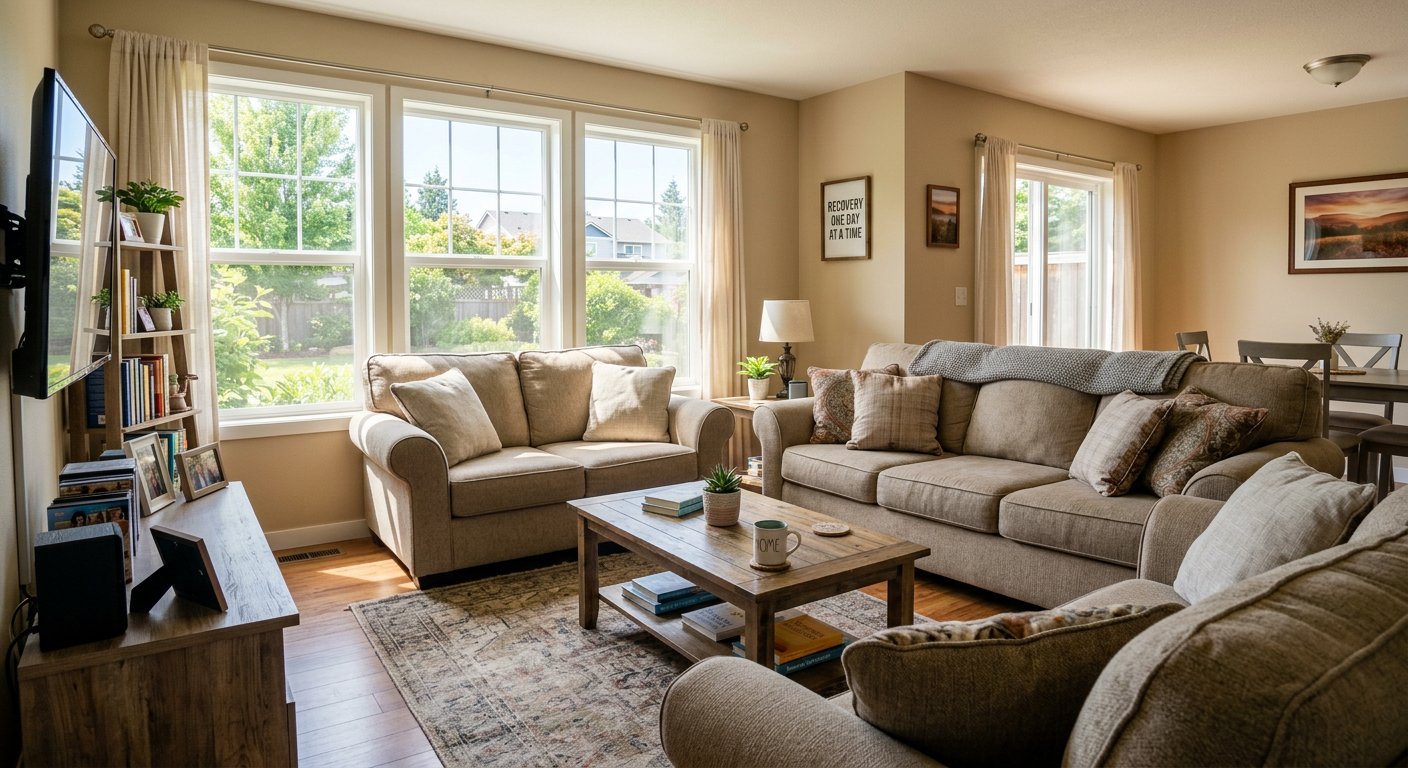
Derek Anders explains the specific operational structures and house rules that turn a standard Northeast Ohio property into a functional sober living home.
In the real estate development world, specifically across Stark, Summit, and Cuyahoga Counties, we often talk about the physical bones of a building, but with our sober living portfolio at Lime Companies, the operational logic matters just as much as the framing and electrical. Success in this niche isn't just about providing a bed; it’s about establishing a rigid framework that prevents a property from deteriorating into a flophouse. When we look at a house in a neighborhood like Kenmore or Goodyear Heights, we aren't just thinking about urban-infill affordable housing or the aesthetics of our semi-custom homes. We are looking at how the physical layout supports a set of house rules that actually work. A real sober living environment is defined by its accountability structures, which are designed to transition men and women back into the workforce and stable society while maintaining a zero-tolerance policy for substances that would otherwise derail their progress.
The first and most non-negotiable rule in any effective sober living house is the implementation of a random and frequent drug testing protocol. In our properties throughout Akron and Canton, we don't schedule these tests on a specific day because predictability is the enemy of accountability. A resident needs to know that the moment they walk through the front door after a shift or an outing, they might be asked to provide a sample. We use high-quality multi-panel cups that screen for everything from opioids to synthetic stimulants, and we often follow up with lab verification if there is any ambiguity. This isn't about being punitive or playing police officer; it is about providing the resident with a legitimate reason to say no when they are out in the world. Having a clear, consistent testing rule takes the choice out of the resident’s hands and puts the focus back on the collective safety of the entire household.
Curfews serve as the secondary anchor for a stable sober living environment, and they must be strictly enforced to be effective. In the early stages of residency, we typically enforce a shorter leash, requiring residents to be physically inside the house by nine or ten o'clock at night. As they demonstrate consistency, maintain employment, and show growth in their recovery program, those hours might shift slightly, but the concept of a 'last call' for the house remains. This rule prevents the late-night wandering and high-risk social situations that often lead to a relapse. It also ensures that the house remains a quiet, predictable environment for the other residents who are trying to get up early for work. When a resident misses curfew without a documented work-related excuse, it triggers an immediate review. Without this boundary, a house quickly loses its sense of order and becomes indistinguishable from a standard rental.
A chore chart might seem like a minor administrative detail, but in the context of recovery and property management in Northeast Ohio, it is a fundamental tool for building character and shared pride. Each resident in a Lime sober living home is assigned specific daily and weekly tasks, ranging from deep-cleaning the kitchen to maintaining the exterior grounds. We take these tasks seriously because they reflect a resident’s ability to handle basic life responsibilities that often fall by the wayside during active addiction. If the common areas in a West Park duplex are cluttered or dirty, it signals a breakdown in the house's internal culture. We use a rotating system so no one feels singled out, but the expectation is professional-grade cleanliness. This level of discipline reinforces the idea that recovery is an active process requiring attention to detail and a commitment to the well-being of the group over the individual.
Peer accountability is the invisible infrastructure that makes all these other rules function. In a well-run house, the residents are the primary enforcers of the culture, not just the house manager. We encourage a system where residents are expected to speak up if they see a peer violating a rule or exhibiting 'dry drunk' behaviors that suggest a looming relapse. This isn't about snitching; it is about the fact that if one person brings drugs into a house in Gordon Square, they are endangering the sobriety and the lives of everyone else under that roof. We facilitate weekly house meetings where grievances are aired and successes are celebrated. By creating a culture where residents feel responsible for one another’s success, we reduce the burden on our management team and empower the individuals to take ownership of their living environment and their personal journey.
Employment or active community engagement is a mandatory requirement for anyone staying in one of our sober living properties. Whether we are developing Lime Neighborhoods build-to-rent projects or managing a small sober house in Barberton, we believe that idle time is a significant risk factor for those in recovery. Residents are generally given a short grace period upon move-in to secure a job, but after that, they must be working, in school, or volunteering for a minimum number of hours per week. This rule serves several purposes: it provides the financial means for them to pay their program fees, it rebuilds their professional reputation, and it fills their day with productive tasks. We often see residents find jobs in the local manufacturing or service sectors across the region, and seeing them regain that sense of utility is one of the most rewarding aspects of this specific development focus.
The physical layout of the home must support the rules, which is why we approach these renovations with a different lens than our semi-custom homes for the retail market. We prioritize open common areas where residents can congregate, but we also ensure that bedrooms are designed for shared living in a way that discourages isolation. Isolation is a red flag in recovery. In our Cuyahoga County homes, we might remove unnecessary partitions to create better sightlines for the house manager. We also install commercial-grade lockers or storage solutions for personal items to prevent disputes between roommates. By designing the space strategically, we make it easier for the house rules to be followed. If a property is laid out poorly, it creates 'dark corners' where rule-breaking can go unnoticed, which eventually undermines the entire operational integrity of the sober living program.
Guest policies are another area where many amateur operators fail, leading to chaos in the neighborhood and the home. We have a strict 'no guests in bedrooms' rule and very specific hours for when visitors are allowed in common areas. All guests must be sober, and we reserve the right to ask anyone to leave if they are disruptive. This protects the sanctity of the recovery environment. It also prevents the house from becoming a revolving door for people who are still active in their addiction. By controlling who enters the house, we maintain the safety of our residents and ensure that we remain good neighbors in the communities where we operate. It's about respecting the residents who are doing the work and ensuring that their home remains a sanctuary from the stresses and temptations of the outside world.
Financial transparency and the timely payment of program fees are also vital components of our house rules. We treat the payment of weekly fees as an exercise in financial literacy and responsibility. In many of our urban-infill affordable housing projects, we see how a lack of financial planning can lead to housing instability. In our sober living houses, we require residents to keep their accounts current as a condition of their stay. This mirrors the real-world consequences of failing to pay rent or a mortgage. We provide clear documentation and receipts, and we expect the same level of professionalism from the residents. When a person starts taking their financial obligations seriously, it is often a sign that they are beginning to value their place in the community and their own future, which is a key indicator of long-term success.
Mandatory attendance at recovery meetings, whether they are twelve-step programs or other evidence-based support groups, is a staple rule that we never compromise on. We require residents to provide proof of attendance, often in the form of signed sheets or digital check-ins. While we don't dictate the specific path of recovery a resident must take, they must be taking a path. Sitting on the couch all day watching television is not an option. This rule ensures that they are building a support network outside of the house, which is essential for when they eventually move out and into one of our traditional rental units or perhaps purchase a home of their own. Linking the living environment to an external recovery community creates a double layer of accountability that significantly increases the chances of maintaining long-term sobriety.
Medication management is a technical but critical aspect of running a legitimate sober living facility. We have strict rules regarding how prescription medications are stored and self-administered. Residents are typically required to have a lockbox for their medications, and a log is maintained to ensure they are taking them as prescribed. This prevents the diversion of medication and protects residents who may be tempted by certain substances. In our homes throughout Summit County, we work to ensure that we are compliant with all local health regulations while providing a system that is easy for the residents to follow. By treating medication with the seriousness it deserves, we minimize the risk of accidental overdose or intentional misuse, which are risks that flophouses unfortunately ignore to the detriment of their residents and the broader community.
We also implement a strict policy regarding the use of electronics and social media during the initial 'blackout' period for new residents. While this might seem heavy-handed, it is designed to help the individual disconnect from the people and environments that contributed to their addiction. In our experience, the first thirty days are the most volatile, and limiting outside influences allows the resident to focus entirely on their new routine and the house culture. Once they have shown they can follow the basic rules of the house, these restrictions are gradually lifted. This phased approach to privileges is a hallmark of a professional sober living operation. It teaches the resident that freedom and responsibility are linked, a lesson that is applicable far beyond the walls of the sober living home and into their future lives.
Transition planning is the final rule that distinguishes our model at Lime Companies. We don't want residents to stay in sober living forever; the goal is always reintegration. We have rules that require residents to begin a move-out plan once they have reached certain milestones of sobriety and financial stability. This might involve moving into one of our urban-infill affordable housing units or a build-to-rent property in a neighborhood like Ellet or Firestone Park. By having a clear exit strategy, we keep the momentum of recovery moving forward and ensure that beds remain available for the next person who needs a structured environment. This holistic approach to real estate development allows us to provide a full spectrum of housing options, from the highly structured sober house to the independent semi-custom home, all while maintaining high standards.
Ultimately, these house rules are not about control, but about creating a predictable world for people whose lives have been defined by unpredictability. When we buy a property in Northeast Ohio and designate it for sober living, we are making a commitment to the neighborhood and the future residents that we will run it with professional precision. A house without rules is just a building, but a house with a clear, enforced structure is a tool for transformation. At Lime Companies, we believe that by applying these technical, operational standards to our sober living portfolio, we are providing a necessary service that strengthens the fabric of our local communities. It is a challenging sector of real estate, but when done correctly, it proves that good management and clear rules are the most effective ways to foster genuine change.
Next up
Property Management for Build-to-Rent: What Tenants Notice
Developing the future of Northeast Ohio — one neighborhood at a time.
© 2026 Lime Companies LLC. All rights reserved.
Built in Northeast Ohio.