
Market Update
What Summit County's Zoning Updates Mean for Builders
By Derek Anders • November 13, 2025 • 8 min read
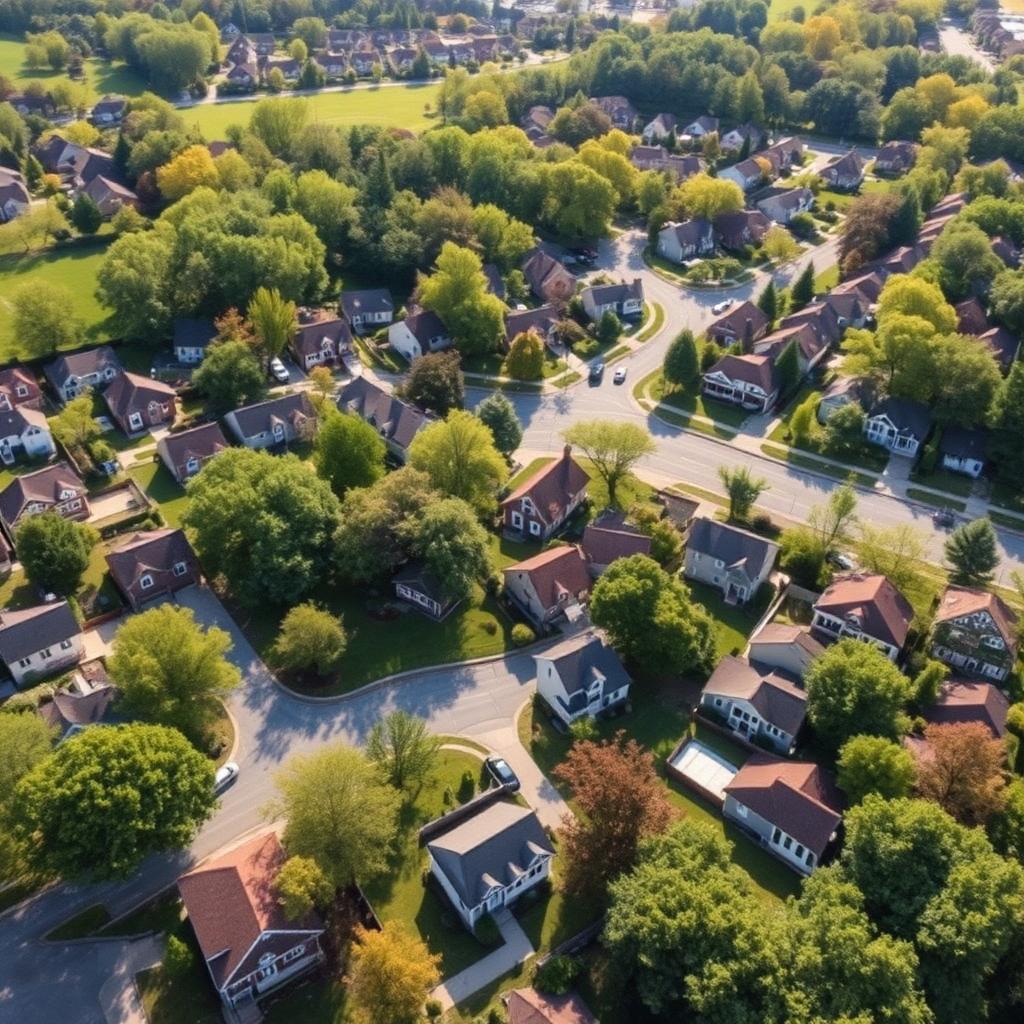
Recent changes that make missing-middle and infill housing easier to deliver.
The landscape of residential development in Summit County is currently shifting under our feet in ways that haven’t been seen since the post-war building boom. For decades, the regulatory environment across Akron, Cuyahoga Falls, and Barberton was designed to prevent density rather than encourage it, creating a rigid framework that favored sprawling single-family subdivisions over functional urban infill. We are now seeing a systemic realization among local planning commissions that the old Euclidean zoning models are failing to meet the actual housing demand of Northeast Ohio’s current workforce. Local officials are finally stripping away some of the more punitive requirements regarding minimum lot widths and setbacks that previously made small-scale development financially impossible. This shift is not about a sudden love for urbanism so much as it is a pragmatic response to the shortage of attainable housing that plagues the corridor between Cleveland and Canton.
For a developer working in the trenches of Summit County, the most impactful changes are those targeting the missing middle. In neighborhoods like West Akron or the areas bordering the North Hill, there are countless vacant parcels that were historically deemed unbuildable because they fell six inches short of a legacy frontage requirement. By modernizing these standards, the county is effectively unlocking thousands of square feet of developable land that already sits on existing infrastructure. This means we can stop chasing greenfield projects on the fringes of Bath or Richfield that require massive investments in new sewer lines and instead focus on neighborhoods where the pipes and pavement are already paid for. It represents a significant win for builders who prefer the complexity of infill over the monotony of suburban sprawl, as it reduces the upfront capital burden of site preparation.
One of the specific levers being pulled relates to the easing of accessory dwelling unit restrictions and the reclassification of duplexes in traditionally single-family zones. In the past, trying to put a carriage house or a two-unit rental on a standard lot in Summit County was an exercise in bureaucratic futility that required multiple variances and public hearings. The updated codes are starting to treat these uses as permitted by right, provided they meet basic design criteria. This allows us to build at a scale that fits the existing neighborhood character while doubling the number of units on the same footprint. This kind of density is what actually sustains local retail and transit, yet it has been illegal in many parts of Akron for over half a century. We are finally seeing a path forward where a builder can deliver a high-quality duplex without spending eighteen months in city hall fighting for the right to exist.
The parking requirements have always been the silent killer of affordable projects in our region. In suburban Summit County, developers were often forced to pave over forty percent of a project’s land just to satisfy arbitrary car-to-bedroom ratios that don't reflect how people actually live in 2024. The new updates are beginning to slash these mandates, especially for projects located near major transit arteries like State Road or Market Street. When we can trade four parking spots for another residential unit, the entire pro forma changes for the better. It allows for more green space and better stormwater management, which is a massive concern given the drainage issues common in our heavy Ohio clay. Moving away from car-centric zoning is a brave move for local politicians, but it is the only way to make the numbers work on smaller, high-quality infill projects.
We see a lot of talk about Cuyahoga County’s aggressive land bank strategies, but Summit is now catching up by aligning its zoning with its land revitalization goals. It does no good to have a land bank full of parcels if the zoning prevents anyone from building anything modern on them. The current updates are creating a bridge between the available land and the builders who have the capacity to fill those gaps. There is a specific focus on encouraging townhomes and row houses in areas that were previously reserved for detached homes. This change is particularly relevant in places like Stow or Tallmadge, where the population is aging and there is a desperate need for downsizing options that don't involve moving into a generic apartment complex. Providing variety in housing types is what keeps a county’s economy resilient against market fluctuations.
Another understated victory in these zoning updates is the simplification of the site plan review process. For a builder, time is the most expensive line item on the budget, often exceeding the cost of lumber or labor. In the previous regime, even a simple four-unit project could get bogged down in a review process designed for a fifty-acre commercial mall. The current trend toward administrative approvals for projects that meet pre-defined standards is a game changer for the local industry. It allows us to move from site acquisition to groundbreaking in a matter of months rather than years. This speed translates directly into lower costs for the end user, as it reduces the interest carry and overhead that typically gets baked into the sales price of a new home.
The aesthetic requirements are also becoming more sensible and less prescriptive about subjective architectural flairs. In the past, some municipalities in Summit County tried to legislate taste by requiring expensive masonry or specific roof pitches that added nothing to the structural integrity or energy efficiency of the building. The updated codes are moving toward a form-based approach that cares more about how a building hits the sidewalk than what color the siding is. This gives us the flexibility to use high-quality modern materials that are more durable and sustainable than the traditional brick-and-mortar templates of the nineties. It allows for a more diverse streetscape that reflects the current era of building science rather than a forced imitation of the past, which is a welcome relief for anyone interested in contemporary design.
While Stark County still leans heavily into traditional subdivision growth and Cuyahoga struggles with the sheer density of its older suburbs, Summit County is positioning itself as the middle ground where innovation can actually happen. The willingness to experiment with tiny homes and cottage courts in certain districts shows a level of foresight that was previously missing from local government. These types of projects provide a entry point for first-time buyers who have been priced out of the traditional market by rising interest rates and stagnant inventory. By allowing for unconventional lot configurations, the county is inviting a new class of smaller, more nimble developers into the market. This breaks up the monopoly of the national homebuilders and allows local firms to create products tailored specifically to the Northeast Ohio climate and culture.
The impact of these changes on property values is a common point of contention among established residents, but the data suggests that well-executed density actually bolsters the local tax base. When we replace a blighted, non-tax-producing vacant lot with dynamic infill housing, the entire neighborhood benefits through increased safety and improved infrastructure. The zoning updates are a recognition that the status quo of stagnation was not a viable long-term strategy for the region. We are seeing a younger demographic of buyers who want to live near the towpath and local breweries without having to maintain a three-acre yard. If we don’t build the housing they want, they will simply take their tax dollars to more progressive markets outside of Ohio. These zoning changes are an insurance policy for the future of Summit County's economic relevance.
There is still work to be done regarding the consistency of these rules across the various jurisdictions that make up the county. A builder shouldn’t have to learn a completely different set of rules just because they crossed the street from Akron into Fairlawn. However, the overarching trend toward deregulation of density is the most positive sign we have seen in years. It signals that the region is open for business and serious about solving its housing crisis. For Lime Companies, these updates mean we can look at the map of Summit County with a fresh set of eyes, identifying opportunities that were previously hidden behind a wall of restrictive code. The potential for creative, site-specific development has never been higher, and we are prepared to take full advantage of this new era of common-sense planning.
The long-term success of these zoning updates will ultimately depend on the courage of local planning boards to stick to their guns when the inevitable NIMBY opposition arises. There will always be a vocal minority that fears any change to the density of their neighborhood, but the broad economic benefits of a more flexible housing market are undeniable. We have seen what happens when cities refuse to adapt, and it leads to the kind of decay that Northeast Ohio has fought hard to overcome. By embracing these updates, Summit County is choosing a path of growth and inclusivity that will define the region for the next generation. It is a bold step away from the exclusionary practices of the past and toward a more vibrant, populated, and prosperous future for every resident between Cleveland and Canton.
As we move forward, the relationship between developers and the community must stay grounded in transparency and quality. These new zoning rules are a tool, not a shortcut, and the responsibility lies with us to ensure that the density we add is an asset to the fabric of the county. We aren't just building units; we are building the backbone of a neighborhood that needs to function for a hundred years. The ability to innovate with different housing styles and configurations allows us to address the diverse needs of everyone from the healthcare worker at Summa to the retiree in Munroe Falls. The regulatory hurdles are finally lowering, and now it is up to the building community to prove that we can deliver on the promise of a more accessible Summit County.
Next up
Why We Bet the Whole Company on Northeast Ohio
Developing the future of Northeast Ohio — one neighborhood at a time.
© 2026 Lime Companies LLC. All rights reserved.
Built in Northeast Ohio.