
Continuation of Care
Rebuilding Lives at Home: Why Sober Living Houses Are the Missing Piece in Recovery
By Derek Anders • June 4, 2026 • 9 min read
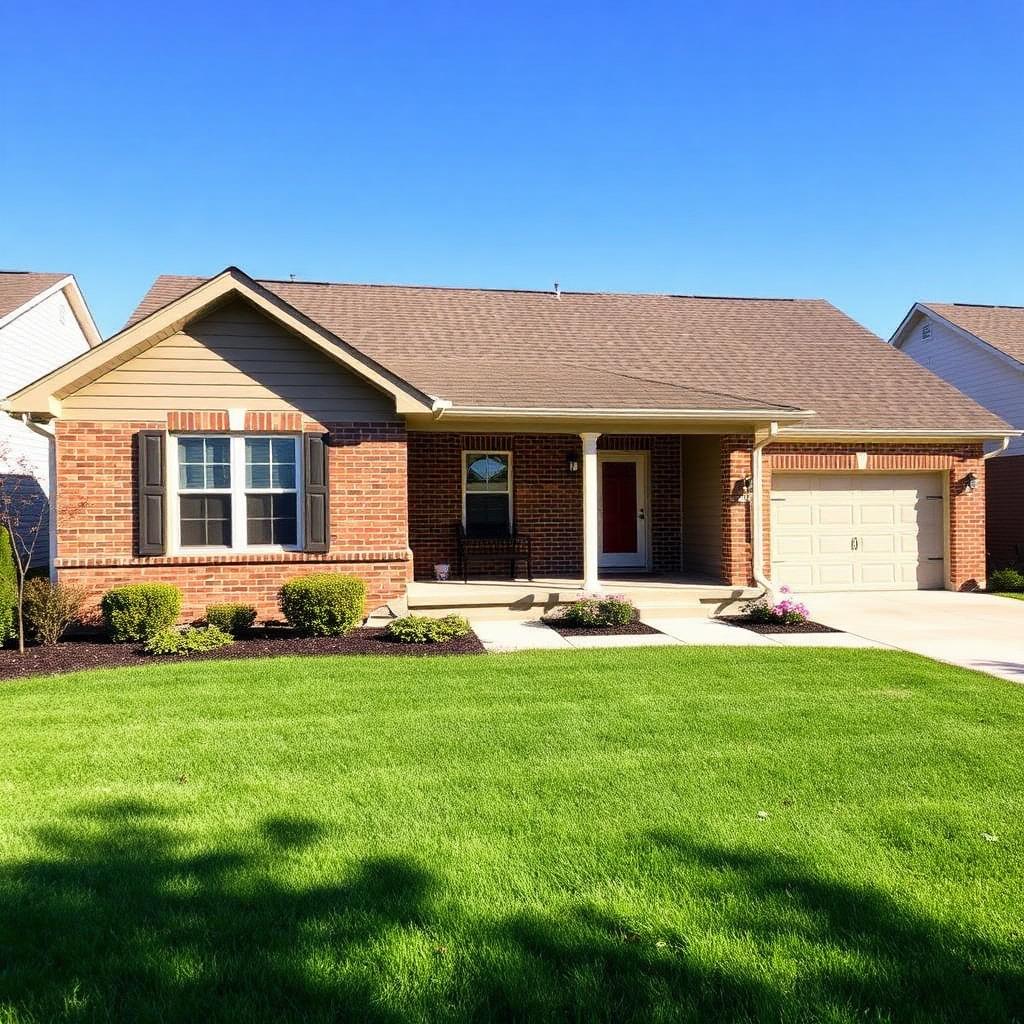
Purpose-built sober living houses give people in recovery the stable, dignified home environment they need to rejoin their families, their work, and their community.
When most people picture the path out of addiction, they picture two places: a treatment center and, eventually, a home. What they rarely picture is the long, fragile stretch in between — the months after detox and inpatient care, when a person is clinically stable but practically alone. That in-between space is where most relapses happen. It is also where a well-designed sober living house can change the entire trajectory of a life. At Lime Companies, our Continuation of Care work is increasingly focused on this exact gap, and on the housing model that fills it: structured, peer-supported, residential sober living homes built specifically for the people Northeast Ohio is trying hardest not to lose.
A sober living house is not a treatment facility. It is not a halfway house in the old, institutional sense of the word. It is a real home — a single-family residence, usually in an established neighborhood, where six to twelve adults in recovery live together under a clear set of house rules and a shared commitment to staying sober. Residents pay rent, hold jobs or attend school, cook their own meals, do their own laundry, and take responsibility for the upkeep of the property. House meetings, mandatory attendance at outside recovery groups, drug and alcohol testing, and peer accountability provide the structure. The home itself provides something even more important: a normal life to come back to at the end of each day.
The evidence base for this model has gotten hard to ignore. Long-term studies of structured sober living environments consistently show large reductions in substance use, higher rates of employment, lower involvement with the criminal justice system, and improved family and housing stability — gains that hold up at six, twelve, and eighteen months out. The mechanism is not mysterious. People in early recovery do not relapse because they lack willpower. They relapse because they go back to the same couch, the same neighbors, the same triggers, and the same isolation that fed the addiction in the first place. A sober living house breaks that loop by replacing the old environment with a new one — and by surrounding the resident with peers who are walking the same road, a few steps ahead or a few steps behind.
Designing a house for that mission is different from designing a typical rental. It starts with the building itself. We look for homes with generous common space relative to bedroom count, because the kitchen and living room are where recovery actually happens day to day. We prioritize natural light, good ventilation, and durable, easy-to-clean finishes that hold up to heavy shared use without feeling institutional. Bedrooms are designed for two residents at most, with real storage, real desks, and real privacy — the kind of room a working adult would actually choose. Bathrooms are sized and laid out to handle a full house getting ready for work at six in the morning without anyone losing their patience. Laundry is on-site. Wi-Fi is fast and reliable. The basement is finished into a quiet study or meeting room, not left as a leftover storage pile.
Outside, the property matters just as much. A well-kept lawn, a real porch, off-street parking, and tidy landscaping are not cosmetic concerns. They are signals to the residents — and to the neighborhood — that the people living here are valued and expected to live up to the same standards as any other household on the block. We have learned, through years of urban infill work, that neighborhoods accept new neighbors who take care of their property. We design and maintain our sober living houses to be the best-kept home on the street, period. That is the standard, and we hold ourselves to it.
Location is the next design decision, and it is often the most consequential one. The right sober living house sits in a stable, walkable neighborhood with access to public transit, grocery stores, employers, primary care, and recovery meetings. Residents who do not yet have a car — and many do not — need to be able to get to a job interview, a doctor's appointment, or a Tuesday-night meeting without depending on someone else for a ride. Stark, Summit & Cuyahoga Counties have neighborhoods that meet this test, and we have spent real time identifying them. We avoid placing homes on busy commercial corridors, next to bars or liquor stores, or in isolated pockets that would set residents up to fail before they unpack.
Operationally, a sober living house lives or dies on the strength of its house manager and its program partners. Our role as the developer and property owner is to build and maintain a home that supports the program, then to step back and let trained operators run it. We partner with established recovery organizations, peer-run nonprofits, and licensed treatment providers across Northeast Ohio who bring the clinical expertise, the recovery curriculum, and the day-to-day leadership. We bring the real estate — financed, built, and maintained for the long haul — so those partners can focus on people instead of plumbing. That division of labor is, in our experience, what makes the model sustainable.
Affordability is part of the design from the first sketch. Recovery is expensive enough already. A resident who has just left treatment is often rebuilding a credit history, re-entering the workforce, and paying down legal or medical debt at the same time they are trying to stay sober. Rent in a sober living house has to be reachable on an entry-level wage, with room left for groceries, transportation, child support, and the savings cushion that prevents the next crisis from becoming the next relapse. We underwrite our homes to a rent that works for the resident, not to a rent that maximizes the return — and we use a layered capital stack, including conventional financing, philanthropic dollars, and local recovery-housing programs, to make those numbers pencil.
There is a stigma question that deserves a direct answer. Some neighbors hear the words sober living house and immediately picture a group home that will hurt their property values or their sense of safety. The data does not support that fear, and our experience does not either. A well-operated sober living house is, in practice, one of the quietest houses on the block. Residents are working adults who are subject to curfews, regular testing, and immediate consequences for violating house rules. They are, almost by definition, more accountable than the average renter. The homes we own and operate are inspected and maintained on a schedule most landlords do not match. When we open a new house, we introduce ourselves to the neighbors, share contact information for the house manager, and invite questions — and we keep that line open for as long as we own the property.
The need across Northeast Ohio is real and growing. Stark, Summit & Cuyahoga Counties have all been hit hard by the opioid epidemic and, more recently, by the rise of fentanyl-contaminated stimulants. Local treatment providers consistently tell us the same thing: they can stabilize people, but they cannot discharge them safely because there is nowhere appropriate to send them. Hospital emergency departments, jails, and shelters end up filling a role they were never designed to play, at far greater public cost and far worse human outcomes. Every sober living bed we add in the region is, in a very literal sense, a bed that does not have to be a hospital cot or a jail bunk.
We also build with families in mind. Addiction is rarely a single-person event. Parents lose custody. Children grow up with grandparents. Spouses build separate lives. A sober living house cannot replace what was lost, but it can create the conditions for repair. Many of our homes include private space for supervised family visits, room for a child to do homework while a parent attends a meeting, and flexible common areas that can host a small celebration when a resident hits a one-year sobriety milestone. These are small architectural decisions with outsized human consequences.
Long-term, our Continuation of Care portfolio is moving toward a connected network rather than a collection of standalone houses. A resident who is ready to step down from a structured house with a curfew and daily testing should have a clear next step — a recovery-supportive apartment, a rent-to-own pathway, or eventually a home of their own — without having to leave the support system that worked. Building that ladder, rung by rung, is the work we are committing to over the next several years across Stark, Summit & Cuyahoga Counties.
None of this is glamorous work. There are no ribbon cuttings for a quiet, well-run house on a side street in Akron or Canton or Cleveland. But the families who get a son or a daughter back, the employers who get a reliable worker back, and the neighborhoods that get a well-kept home instead of a vacant one — they all notice. Sober living houses, built with care and operated with discipline, are one of the highest-leverage investments a builder can make in this region right now. We intend to keep making it.
Next up
Why Build-to-Rent Is Reshaping Suburban Ohio
Developing the future of Northeast Ohio — one neighborhood at a time.
© 2026 Lime Companies LLC. All rights reserved.
Built in Northeast Ohio.