
Continuation of Care
Recovery and Employment: Bridging the Gap
By Derek Anders • November 20, 2025 • 6 min read
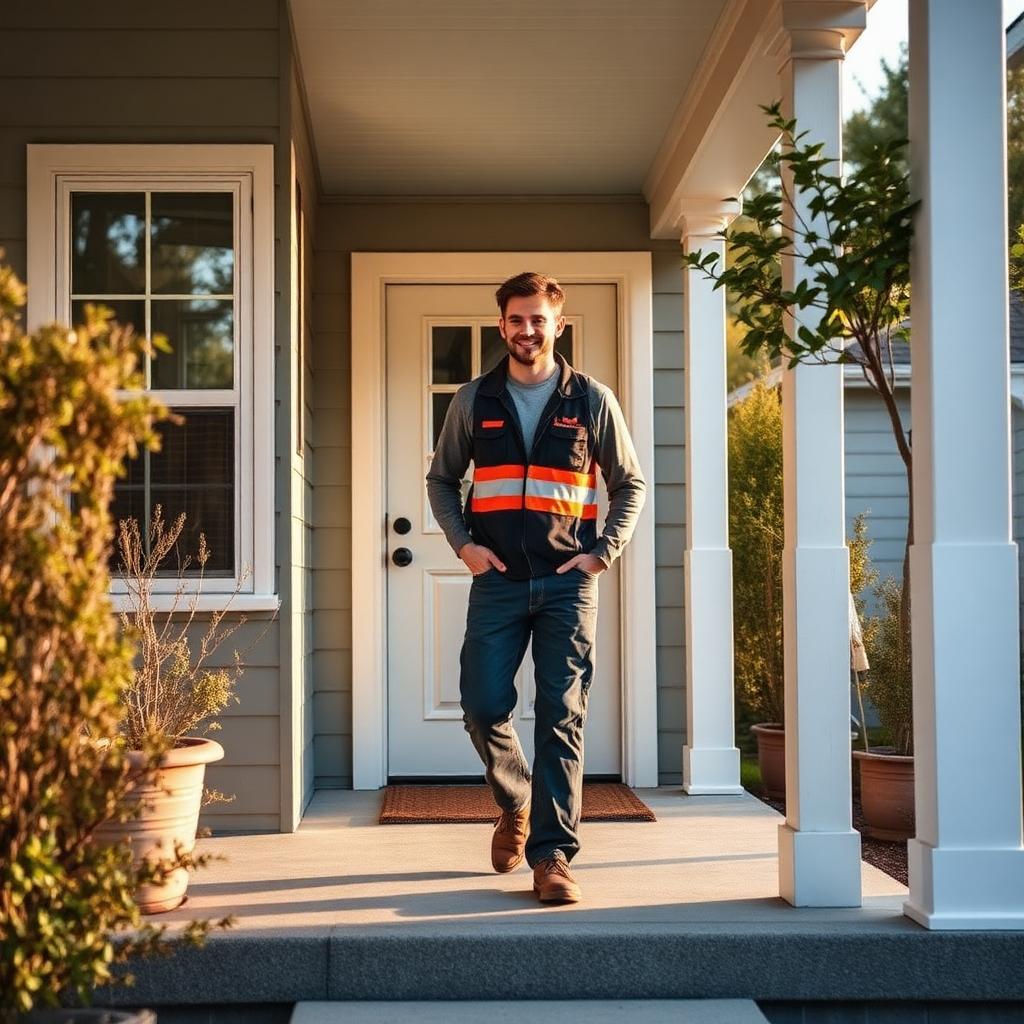
Sober living residents need stable jobs as much as they need stable beds.
The standard approach to recovery often misses the most critical variable for long-term sobriety: the dignity of a paycheck. In Northeast Ohio, we have done a commendable job standing up sober living houses and peer support networks throughout the Akron and Canton corridor. However, we consistently fail to integrate the recovery process with the reality of the regional labor market. A resident in a sober living home in North Hill or Massillon can have the best intentions in the world, but if they are stuck in a cycle of temporary labor and chronic underemployment, their housing stability remains purely theoretical. We have to stop treating employment as a secondary after-thought that happens once someone is fixed. Meaningful work is actually a primary component of the clinical fix itself.
When we develop properties for sober living in places like Slavic Village or South Akron, we aren't just looking at the square footage or the proximity to a bus line. We are looking at the local economic ecosystem and whether a person in transition can actually access it without a reliable vehicle. The physical gap between a bed in a safe neighborhood and a shift on a production line in Stow or Hudson is often insurmountable for someone early in their journey. This is where the model breaks down for many operators in Summit and Stark Counties. If we provide the housing but ignore the structural barriers to a stable forty-hour work week, we are essentially setting our residents up for a slow-motion relapse.
The manufacturing sector in Northeast Ohio remains our greatest asset for workforce reintegration, yet there is a massive cultural divide between the shop floor and the recovery house. Many small to mid-sized manufacturers in Canton and Cleveland are desperate for reliable labor but remain hesitant to hire from the recovery community due to outdated stigmas. At Lime Companies, we strive to bridge this gap by acting as a translator between the needs of the employer and the reality of the resident. A resident who has a structured morning routine and a stable place to sleep is often a more reliable employee than the average person off the street. We need to frame recovery not as a liability for HR departments, but as a rigorous vetting process that produces highly disciplined workers.
Transportation remains the most persistent hurdle for our residents in Greater Cleveland and Akron. A sober living home on the west side of Cleveland might be near the rail lines, but the high-paying warehouse jobs are often out in the exurbs where public transit is nonexistent. We see this play out every day when a resident secures a great opportunity in a distribution center but realizes they have no way to get there for a 6:00 AM shift. This logistics failure puts immense pressure on the recovery process because it forces people into low-wage, high-stress service jobs that are often located in environments that are not conducive to sobriety. Solving the housing crisis for this population requires a simultaneous, creative solution for regional mobility.
Stigma also manifests in the types of jobs we expect people in recovery to take. There is a pervasive idea that someone coming out of a long-term treatment facility should be grateful for any minimum wage position that comes their way. This mindset is fundamentally flawed because it ignores the need for professional growth and the sense of purpose that comes with a real career path. In Stark County, we have seen residents thrive when they are given the chance to enter the skilled trades like HVAC, electrical, or construction. When a person sees a clear path from an entry-level laborer to a licensed journeyman, their investment in their own sobriety changes from a daily struggle into a long-term strategic plan.
The economics of sober living in Northeast Ohio are tightly coupled with the local cost of living and the prevailing wage in the region. If a resident is paying six hundred dollars a month for a bed in a shared house, they need a job that pays far more than the state minimum to build any kind of emergency savings. Without that financial cushion, a single car repair or a medical bill becomes a catastrophic event that can lead straight back to the needle or the bottle. We have to be honest about the math of poverty in cities like Akron and Canton. Housing is part of the solution, but it only works if the resident can eventually afford to move out and participate in the broader housing market as a renter or homeowner.
Collaboration between real estate developers and local workforce development boards is currently scattered and inconsistent. We need a more formalized pipeline that connects the residents of transitional housing directly with the industrial corridors of Summit and Cuyahoga Counties. This means having real conversations with business owners about what it takes to support an employee in recovery, including flexibility for things like mandatory peer meetings or drug testing. Many employers are surprised to find that these requirements actually create a culture of accountability that benefits the entire workplace. By integrating employment services directly into the housing model, we remove the friction that typically derails someone in their first six months of sobriety.
The build-to-rent and affordable housing sectors also have a significant role to play here by providing the "next step" after sober living. Once a person has stabilized their employment and shown a year or more of consistent performance, they need a path to independent living that doesn't involve moving back into the high-risk environments they escaped. This is where regional developers can make a massive impact by creating high-quality, scattered-site housing options in stable neighborhoods. When we provide a clean, modern apartment in a place like Cuyahoga Falls or North Canton, we are giving that individual a physical stake in the community. That sense of ownership over one's life is the ultimate deterrent against returning to old habits.
We should also be looking at how we can utilize the construction process itself as a training ground. At Lime Companies, we see every renovation project in the region as a potential classroom. Bringing residents on-site to learn the fundamentals of demolition, drywall, and finish carpentry provides immediate income and a transferable skill set. There is something deeply therapeutic about taking a dilapidated house in a neighborhood like Massillon and helping to restore it to its former glory. It mirrors the internal work the residents are doing on themselves. If we can pay them a fair wage to rebuild their own communities, we create a virtuous cycle that benefits everyone from the local taxpayer to the person living in the house.
Policy makers in Northeast Ohio need to move away from siloed thinking that separates housing programs from economic development initiatives. The most successful recovery outcomes I have seen in my career are not the result of better clinical interventions alone, but the result of a coordinated effort to give a person a job, a car, and a key to their own front door. We have the industrial base and the housing stock in this region to lead the country in this area, but it requires a boots-on-the-ground approach that prioritizes the logistics of daily life. The residents of our houses are motivated, they are resilient, and they are ready to work; we just have to make sure the infrastructure of our cities allows them to do so.
Ultimately, the measure of our success as developers and operators in the recovery space isn't just how many beds we fill, but how many people we help transition back into the mainstream economy. A vibrant, sober workforce is exactly what Northeast Ohio needs to fuel its continued resurgence. Every time we help a resident in Canton secure a manufacturing job with benefits, we are strengthening the fabric of that neighborhood. We aren't just in the business of real estate; we are in the business of regional stability. By bridging the gap between recovery and employment, we are ensuring that the progress our residents make is not just a temporary reprieve, but a permanent change of direction for themselves and their families.
Next up
What Summit County's Zoning Updates Mean for Builders
Developing the future of Northeast Ohio — one neighborhood at a time.
© 2026 Lime Companies LLC. All rights reserved.
Built in Northeast Ohio.